
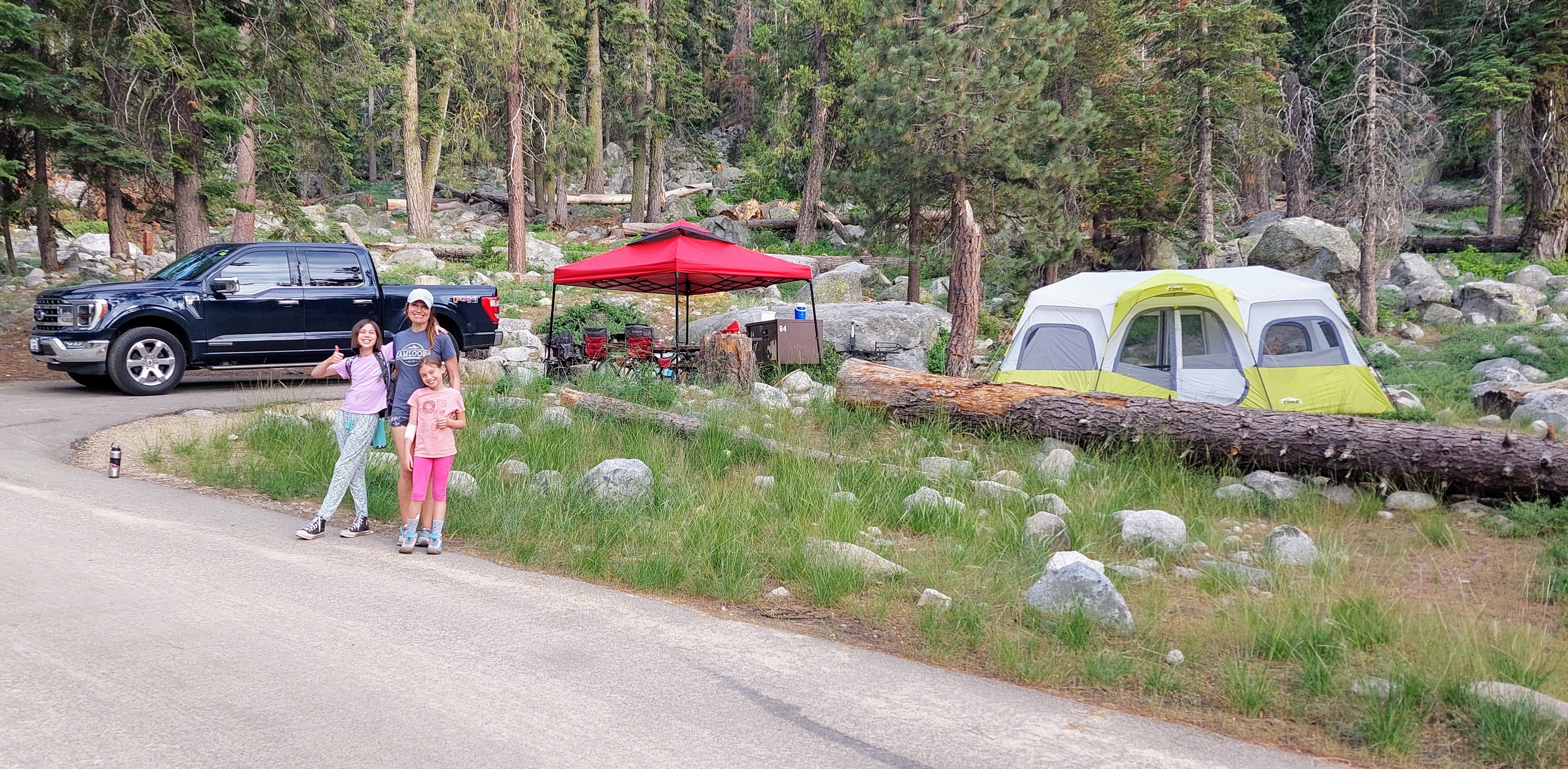
Camping with kids for the first time can feel equal parts exciting and overwhelming. Between figuring out what to pack, choosing the right campground, and wondering whether anyone will actually sleep in a tent, it’s easy to overthink the whole thing. We’ve been there.
The good news? Family camping doesn’t have to be complicated. You don’t need expensive gear, wilderness skills, or a perfectly planned itinerary to have a great first trip. In fact, some of our favorite camping memories have come from the trips that didn’t go exactly as planned.
In this guide to family camping for beginners, I’ll walk you through how to choose a campground, what camping gear you actually need, what to pack for camping with kids, and what to expect on your first family camping trip. My goal is to help you feel confident enough to get outside and give camping a try.
I’ve also created a free printable family camping checklist to make packing easier—be sure to grab it before you go.
If you’re still deciding where to camp, take a look at our guide to the best national parks in California for families or browse our Family Camping Resource Hub for more campground ideas, packing lists, and family camping tips.
This post may contain affiliate links, which means I may earn a small commission at no extra cost to you if you make a purchase. We only recommend products we use and love.
Is Camping with Kids Right for Your Family?
If you’re wondering whether camping with kids is right for your family, the answer might be simpler than you think. Camping doesn’t have to mean pitching a tent in the middle of nowhere and surviving on hot dogs for a weekend. There are plenty of ways to ease into the experience and find a style of camping that works for your family.
Renting a cabin can be a wonderful first step if you want to enjoy the outdoors without fully committing to tent camping. A rustic cabin still gives you campfires, fresh air, nature trails, and slower days, while offering some very welcome comforts like flushing toilets, real beds, electricity, and a refrigerator.

We love tent camping, but we still mix cabin stays into longer trips. Having the chance to shower, do laundry, and sleep in a real bed partway through a vacation can make a huge difference, especially when you’re traveling with kids.

For beginners, I often recommend renting a cabin for a weekend at a local state park. Prices are usually reasonable, amenities are clearly listed, and you’ll get a feel for whether your family enjoys spending time outdoors without needing to invest in lots of camping gear.
Staying close to home takes the pressure off, too. If you’re within an hour or two of home, you always have the option to head back early if camping isn’t quite what you expected. That peace of mind is worth a lot on your first trip. As your confidence grows, you can gradually build up to longer stays, farther destinations, and fewer comforts.
The truth is, camping isn’t about sleeping in a tent—it’s about spending time together outdoors. Whether you start with a cabin, a camper, or a tent, you’re still making the same memories around the campfire.

Not Sure Where to Go Camping First?
Choosing the right campground can make a huge difference to your first camping experience. For beginners, I recommend looking for campgrounds with restrooms, showers, nearby activities, and plenty of family-friendly amenities.
Here are some of our favorite camping resources to help you get started:
National Park Camping
- Yosemite National Park Camping Guide
- Rocky Mountain National Park Camping Guide
- Mesa Verde National Park Camping Guide
- 10 Best National Parks for Families
- California Camping for Families
Trip Planning Resources
- Family Camping Resource Hub
- National Park Resource Hub
- National Park Packing List
- Weekend Trip Packing List
A Low-Stress Way to Try Camping First
If your family is curious about camping but hesitant to invest in tents, sleeping bags, and other gear before knowing whether you’ll actually enjoy it, a beginner camping program can be a great first step.
Many state park systems offer “learn to camp” experiences, such as Texas Outdoor Family. These programs typically provide tents, cooking equipment, and other basic gear, while park staff or rangers walk you through everything from setting up camp to cooking outdoors.
It’s a great way to see whether camping is a good fit for your family without the upfront expense or pressure of planning everything yourself. Instead of worrying about whether you’re doing it “right,” you can focus on enjoying the experience and learning as you go.
Several of my friends have tried Texas Outdoor Family with their kids and had a fantastic experience. If you’re feeling nervous about your first camping trip, programs like these can be a wonderful confidence builder before planning your own adventure.

What to Plan Before Your First Family Camping Trip
A little planning goes a long way when you’re camping with kids. Before you book anything, take a moment to think about what staying at your chosen campground will actually be like during the time of year you’re visiting.
Here in Texas, shade is a big deal—but there are plenty of other factors to consider too. Will your campsite have water or electricity? How close is it to the bathrooms? Is it near the activities you want to do, or will you be facing a long drive across a national park just to reach kid-friendly hiking trails?
It’s also worth deciding how many amenities you want. Some families love campgrounds with showers, a playground, a camp store, or ranger programs, while others prefer a more rustic experience. Once you know what matters most to your family, look closely at campsite photos and read recent reviews. There are even YouTube videos where people drive through campgrounds and show each campsite in real time—I love these and find them incredibly helpful.
Choose Your Campsite Carefully
Not all campsites are created equal. A little extra research can make a huge difference to your experience, especially on your first trip.
Look for campsites that are:
- Large enough for your tent
- Close to restrooms if you have young children
- Shaded if you’re camping in a warm climate
- Near the activities your family wants to do
- Away from busy campground roads and intersections
We lucked out with one of the few shady sites at Morefield Campground in Mesa Verde National Park. Our big tent just fit on the pad, although it ended up a little too close to the fire ring to use it safely. It was a good reminder that campsite details matter more than you might think.

Book Early (But Don’t Panic)
If you’re aiming for a popular campground or national park, especially during weekends, school breaks, or holiday periods, booking early is always your best option.
That said, don’t lose hope if everything looks full. Last-minute cancellations happen all the time when plans change, kids get sick, or the weather forecast suddenly changes. We’ve booked campsites at the last minute thanks to cancellations and ended up with fantastic sites that seemed impossible to get just a few days earlier.

Before You Leave Home
A quick pre-trip check can help your first camping adventure go much more smoothly:
✓ Reserve your campsite
✓ Check the weather forecast
✓ Confirm whether water and electricity are available
✓ Download maps if cell service may be limited
✓ Plan simple meals and snacks
✓ Check that all camping gear is working before you leave
✓ Pack a few activities for downtime at camp
Once you’ve chosen your campground and reserved your site, it’s time to start gathering the gear and supplies you’ll need for a successful trip.
If you’re new to camping, don’t miss my guide to the most common camping mistakes—and the simple fixes that can make your first trip much more enjoyable.
What to Pack for Family Camping (Beginner Essentials)
The good news is that you don’t need a garage full of expensive gear to enjoy camping with kids. Start with the essentials, focus on comfort, and add extras as you gain experience.
If you’d like a complete packing list, grab our free Family Camping Checklist to make sure you don’t forget anything important.
Shelter & Sleep
A comfortable night’s sleep can make or break a camping trip, especially when you’re camping with kids.
Start with a reliable tent and sleeping bags that are suitable for the temperatures you’ll be camping in. We’ve been caught out by unexpected cold before, and trust me, it’s much harder to enjoy a day of hiking after a miserable night’s sleep.
You’ll also want something comfortable to sleep on. Air mattresses, sleeping pads, and camping cots all work well. Sleeping directly on the ground gets uncomfortable quickly, especially for children.

The Core 12-Person Instant Cabin Tent is one of our favorite family camping purchases. It’s quick to set up, spacious, and has kept us dry through plenty of rainy nights. One lesson we’ve learned over the years is to size up whenever possible. A 12-person tent is comfortable for around six people, while a 6-person tent works well for about three. The extra space is worth it when you’re camping with kids.

Sleeping well is one of the easiest ways to make camping more enjoyable. We often use a King Koil air mattress on longer trips because it’s comfortable, supportive, and quick to set up. It’s not the lightest option, but comfort wins when we’re car camping as a family.
For shorter trips or campgrounds where space is limited, lightweight sleeping pads can be a great alternative. We used these on our last trip and were pleasantly surprised by how comfortable they were.
Worried about everyone getting cold overnight? Our guide to staying warm camping with kids covers sleeping setups, bedtime layers and lessons we’ve learned from some very chilly nights.
Beginner Tip
Don’t feel like you need to buy everything at once. Borrow gear from friends, rent equipment, or start with the basics and upgrade over time. Most families discover what they actually need after a few trips, not before the first one.
Food & Cooking
Food is one of the easiest things to overcomplicate on your first camping trip. My advice? Keep it simple.
Plan easy meals for the length of your stay and don’t assume you can rely on the camp store. Some camp stores are well stocked, while others carry little more than firewood, ice, and a few snacks.
Simple breakfasts like oatmeal, cereal, yogurt, fruit, or breakfast tacos work well. For lunch, sandwiches, wraps, and picnic foods are easy options. Dinners can be as simple as hot dogs, burgers, foil packet meals, or pasta cooked on a camp stove.
Bring a way to cook, along with plates, cups, utensils, and a cooler for perishable food. Don’t forget matches or a lighter—it’s surprisingly easy to remember the stove and forget how to light it!

The Camp Chef Everest 2X 2-Burner Stove is one of our favorite pieces of camping gear. It’s powerful, easy to use, and performs well even in windy conditions. If you’re looking for a dependable family camping stove, this is a great option to start with.
One of the best things about camping is that meals become part of the experience. Some of our favorite memories have been made around the campfire, whether we’re roasting marshmallows, making s’mores, or simply enjoying a slower evening together outdoors.

Beginner Tip
Don’t try to cook gourmet meals on your first trip. Familiar family favorites are usually the biggest success. The easier the meals, the more time you’ll have to enjoy the experience.

Don’t Forget a Good Cooler
A good cooler is one piece of camping gear I wouldn’t want to be without, especially on a multi-day family camping trip. You don’t necessarily need the most expensive cooler on the market, but you do want one that’s well insulated, large enough for your family and sturdy enough to handle being hauled around a campsite. [This is the cooler we recommend] and it has plenty of room for our food while keeping everything cold for several days when packed properly. I bought this after borrowing one from a friend and it works great. I still have frozen meat after 5 days of camping.

And how you pack it really does matter. After years of camping — and more than a few occasions when our food ended up floating around in melted ice — we’ve learned that pre-chilling the cooler, starting with cold or frozen food and organizing everything properly can make a huge difference. I’ve put all the tricks we use in my [How to Keep a Cooler Cold for Days: 10 Tips That Actually Work] guide.
Beginner tip: If you have room, take a second smaller cooler or insulated container just for drinks. Kids can help themselves without constantly opening your food cooler and letting all that lovely cold air escape.
Lighting
Lighting is one of those camping essentials that’s easy to overlook until you need it. Once the sun goes down, even a familiar campground can feel surprisingly dark, especially if you’re making a late-night bathroom trip or searching for something inside the tent.
A lantern is helpful for lighting up your campsite, while flashlights and headlamps make it easier to move around safely after dark. We usually bring a combination of all three.
Headlamps are one of those small pieces of gear that make a big difference when camping with kids. Whether it’s a trip to the bathroom, reading in the tent, or helping with camp chores after sunset, having both hands free is incredibly useful.
We’ve found simple, lightweight options like the LHKNL Headlamp to be reliable, comfortable, and easy for both adults and kids to use. I actually use mine for camping and running.

Beginner Tip
Give each family member their own flashlight or headlamp. Kids love the independence, and it saves a lot of searching when someone needs to find the bathroom in the middle of the night.
Comfortable Clothing
Pack comfortable clothing that suits both the climate and your planned activities. Layers work especially well because temperatures can change dramatically between morning, afternoon, and evening, especially in the mountains or desert.
For most family camping trips, we focus on practical, comfortable clothing rather than packing lots of outfit options. Quick-drying fabrics, warm layers, rain gear, and comfortable shoes are usually far more important than having something different to wear every day.
Don’t forget pajamas, extra socks, and a warm layer for evenings around the campfire. Even summer camping trips can feel surprisingly chilly after the sun goes down.
Not sure what to pack? Read my complete guide on What to Wear Camping, where I cover exactly what to wear in hot weather, cold nights, and rain, plus what not to pack for your first camping trip.
Beginner Tip
Pack one complete extra outfit for each child. Whether it’s mud, rain, spilled hot chocolate, or an unexpected creek adventure, there’s a good chance you’ll be glad you did.
Safety Gear
Always pack a first aid kit. We keep a well-stocked kit in our vehicle and carry a smaller version in our day pack for hikes and outings. It’s one of those things you hope you never need, but when a scraped knee, blister, sting, or headache happens, you’ll be glad it’s within easy reach.

We always keep our first aid kit somewhere easy to access because little bumps, scrapes, and bug bites are almost inevitable when camping.
A basic first aid kit is a great place to start, but we usually add a few extra items that have proven useful over the years:
- Sting wipes
- Kids’ fever reducer
- Chewable antihistamines
- Burn gel
- Calamine lotion
- Tweezers
- Blister patches
- Bug spray
These don’t take up much room, but they can make a huge difference when you’re far from a pharmacy or medical store.
Beginner Tip
Before leaving home, take a quick look through your first aid kit and replace anything that’s expired or been used up. It’s much easier to do it in your driveway than at a campsite miles from the nearest town.
Water
Before you leave home, check whether your campground has potable drinking water. Many campgrounds do, but some more remote sites only provide non-potable water or no water at all.
If drinking water isn’t available, you’ll need to bring enough for drinking, cooking, brushing teeth, and washing up. Water is one of those essentials that’s easy to take for granted until you don’t have enough.
Having the basics covered—water, shelter, food, and sleeping gear—goes a long way toward making your first camping trip feel relaxed and enjoyable.
Don’t Forget the Essentials
If this all feels like a lot to remember, don’t worry. I’ve put together a free Family Camping Checklist that includes everything we pack for our own camping trips, from shelter and cooking gear to clothing, toiletries, and campfire essentials.
Grab your free Family Camping Checklist before your first camping trip.
What to Expect When Camping with Kids for the First Time
Sleep Won’t Always Be Perfect
Sleep is often the biggest unknown when camping with kids, and a lot of it depends on your camp neighbors—something you can’t control. It’s also a good reminder to be courteous campers yourselves and respect posted quiet hours. To help with outside noise, we always pack earplugs and sleep masks, which can make a surprising difference.
One of the worst nights’ sleep we’ve ever had camping was at Malibu Creek State Park in California. We booked last minute and ended up on a junction site, which meant every car entering the campground stopped right in front of our tent. Each set of headlights lit us up, and we could hear the road into Malibu day and night. It wasn’t ideal, and we know now that choosing a different site would have made a big difference.
Nights like this don’t happen often on our trips, but they’re always a reminder that even the less-than-perfect experiences teach us how to plan better next time.
Kids Usually Love Camping
One of the best parts of camping is how much freedom kids have. They can run, explore, climb, ride bikes, and play in nature’s playground, and that unstructured time is a huge part of the experience.
I loved this kind of childhood freedom growing up, which is one of the reasons we put in the preparation and effort that camping takes. Watching our own kids build forts, explore trails, and spend hours outdoors reminds us why camping has become one of our favorite ways to travel as a family.

Build in Downtime
All that outdoor activity (and sometimes less sleep than usual) means downtime matters too.
We usually hike in the morning, then head back to camp for lunch and some built-in rest. Hammocks, books, card games, and quiet time help everyone recharge before an afternoon adventure or an evening around the campfire.
A hammock is one of our favorite camping extras. It’s an easy way to create a calm, relaxing spot at your campsite, and the kids always gravitate toward it. We bring a lightweight one like this—it’s quick to set up, packs down small, and ends up being used every single day.


How long should we stay?
For your first trip, one or two nights is plenty. Once you know how your family handles camping, three nights is a great length, especially for families with younger kids who are more affected by schedule changes and disrupted sleep.
And don’t worry if you need to be flexible or leave early.
We once camped in Bandera, Texas, when overnight temperatures dropped to -5°C (23°F)—far colder than forecast. The kids were miserable and we were so cold that we barely slept. We booked a hotel the next day and turned what could have been an endurance test into a story we now laugh about.
Another time, we woke up to torrential rain and skipped cooking altogether, piling into the car for a warm breakfast at a local café instead.
Flexibility is a huge part of successful family camping. Sometimes the best camping decision is changing the plan.
Beginner Family Camping Tips That Make a Big Difference
A few small habits can make your first family camping trip feel much more manageable.
Preparing as much as possible at home—chopping ingredients, planning simple meals, and laying out clothes by day—saves time and stress once you arrive. We also try to keep our daily plans flexible and resist the urge to overschedule. Camping works best at a slower pace.
Comfortable seating, whether that’s camp chairs, a hammock, or a picnic blanket, makes downtime much more enjoyable. Involving kids in simple camp tasks like gathering firewood, setting up chairs, or helping prepare meals also helps them feel capable and invested in the experience.
Most importantly, go in with realistic expectations. Things won’t be perfect, and that’s okay. Something will probably get forgotten, the weather may not cooperate, and plans may change. Those moments often become the stories your family laughs about later.
When you focus on enjoying the experience rather than doing everything “right,” camping with kids becomes much more relaxed and enjoyable.
Looking for more camping inspiration? Explore our Family Camping Resource Hub for campground guides, packing lists, family camping tips, and destination ideas.
Before your first trip, check out our 25 camping tips that make camping easier to help you avoid common mistakes and enjoy a smoother camping experience.
Beginner Family Camping Quick Tips
- Prep at home whenever possible. Chop food, pre-make meals, and pack snacks in easy-to-grab containers. Keep food simple.
- Lay out clothes by day. This avoids rummaging through bags and helps kids stay independent.
- Pack extra layers. Weather changes quickly, especially mornings and evenings.
- Build in downtime. Hammocks, books, card games, or quiet play help prevent overtired meltdowns.
- Keep plans flexible. One main activity per day is often plenty when camping with kids.
- Let kids help. Simple jobs like gathering firewood, setting up chairs, or helping with meals build confidence.
- Bring familiar comforts. A favorite blanket, pillow, or stuffed animal can make sleeping easier.
- Respect quiet hours. Being considerate campers helps everyone sleep better—including you.
- Accept that things may not go exactly as planned. Weather changes, kids get tired, and campsites aren’t always perfect—but flexibility goes a long way toward making camping enjoyable.
- Remember why you’re there. Slowing down and spending time together matters more than doing everything “right.”
- Always pack your rainfly. Even when the forecast looks perfect, weather can change quickly.

Final Thoughts: Your First Family Camping Trip Doesn’t Have to Be Perfect
Your first family camping trip doesn’t have to be perfect to be memorable.
You might sleep a little less than usual, the weather may not cooperate, or your campfire dinner might not turn out exactly as planned. But most families are surprised by how quickly they settle into the rhythm of camping and how much fun they have once they’re there.
What matters most isn’t having the perfect gear or the perfect campsite. It’s spending time together, exploring outdoors, slowing down, and making memories away from the usual distractions of everyday life.
Start small, choose comfort where it helps, and build confidence with each trip. Whether you camp for one night or a whole week, every adventure teaches you something new about what your family enjoys and what works best for you.
Years from now, your kids probably won’t remember which sleeping bag they used or whether it rained for an hour on the second day. They’ll remember roasting marshmallows, spotting wildlife, sleeping under the stars, and spending time together outdoors.
And that’s what makes family camping so special.
Ready to Plan Your Family Camping Adventure?
If this is your first time camping with kids, you don’t have to figure everything out at once. We’ve gathered all of our best family camping tips, destination guides, meal ideas, packing checklist, and planning resources in one place to make things easier.
Before your first trip, grab our Ultimate Family Camping Checklist so you don’t forget the essentials.

Thinking about your first camping trip in California? Be sure to read our guide to Camping in California, which covers reservations, food storage, weather, and other important things families should know before they go.
Ready to plan your first camping adventure? Browse our Explore our Family Camping Resource Hub for more campground guides, packing lists, and family camping tips.
If you’re hiking with children as well as camping, don’t miss our 10 Tips for Hiking with Kids That Actually Work, packed with practical advice we’ve learned on family hikes over the years.
6 responses to “Family Camping for Beginners: Plan Your First Trip with Kids”
[…] you’re new to camping, our beginner’s guide will walk you through everything you need to know to get started with […]
[…] a full packing breakdown, take a look at our camping for beginner’s guide: what families really […]
[…] New to camping? This one’s for you: Family Camping for Beginners […]
[…] to family camping? Start with my Family Camping for Beginners guide, where I cover what to pack, what to expect and all the little things I wish we’d known […]
[…] if a night under the stars sounds like part of the adventure, take a look at our Family Camping for Beginners guide for practical tips on what to pack, what to expect and how to make camping with kids much […]
[…] New to camping? Start with our family camping for beginners guide […]